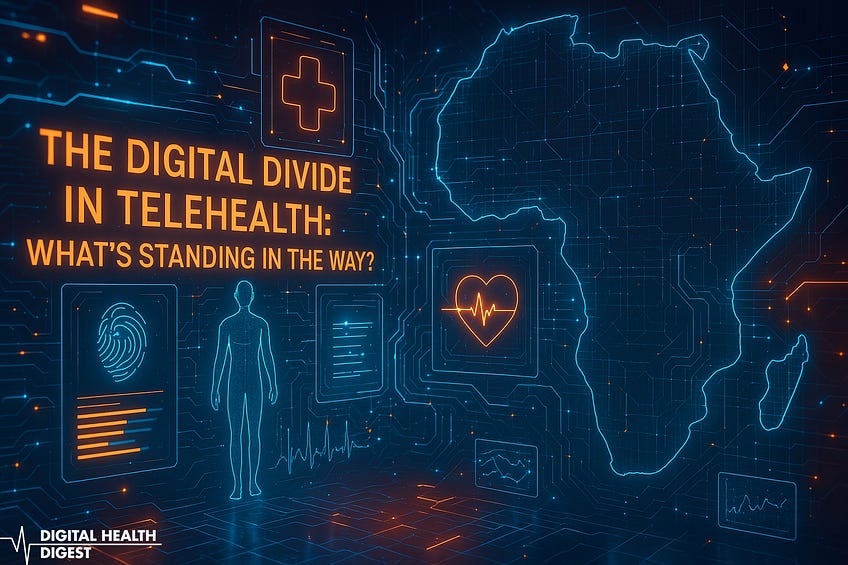
In recent years, telehealth has emerged as a transformative force in healthcare, making it possible for patients to consult with doctors from the comfort of their homes. Its rise was especially accelerated by the COVID-19 pandemic, during which virtual care proved essential in ensuring continuous access to medical services. But while telehealth has become more mainstream, it is not equally accessible to everyone. For millions of people across the globe, the so-called "digital divide" remains a significant barrier, threatening to deepen existing health disparities.
So what exactly is standing in the way of equitable telehealth access?
Let's break down the key barriers.
1. Limited Broadband Connectivity
Telehealth depends heavily on a stable internet connection—especially for video consultations. However, high-speed internet remains out of reach for many, particularly in rural and low-income urban areas. In the U.S., for instance, only 53% of households in high-need areas have broadband access. That figure drops to just 43% in rural high-need regions. Similar gaps exist globally, especially in developing countries where infrastructure is still catching up.
Without reliable internet, telehealth simply isn't an option. And for those who must rely on slow or unstable connections, the experience can be frustrating or unusable.
2. Cost of Internet and Devices
Even where infrastructure exists, affordability can be a major barrier. Internet service, smartphones, tablets, and computers come at a cost that many low-income households struggle to cover. A recent U.S. subsidy program aimed at helping families afford broadband enrolled over 23 million households, highlighting the scale of the issue.
When that program's funding ended, many participants reported being unable to maintain their internet service. Without financial support, digital healthcare becomes a luxury rather than a basic service.
3. Lack of Access to Devices
Having an internet connection is only part of the puzzle. Patients also need access to devices that can support telehealth services. In some underserved areas, fewer than half of households own a laptop or tablet. Smartphones are more common, but they aren't ideal for detailed medical consultations.
Older adults are particularly affected. Only 61% of seniors own a smartphone, and less than half own a tablet—making telehealth difficult or even impossible without assistance.
4. Digital Literacy and Language Barriers
Knowing how to use technology is as critical as having access to it. Many individuals, especially older adults, people with limited education, and those who speak a language other than English, face challenges navigating telehealth platforms.
Studies show that patients with limited English proficiency or low digital skills are far less likely to use telehealth services. Even if the internet and devices are in place, a lack of digital literacy can make virtual care inaccessible.
What Can Be Done?
Addressing the digital divide requires a multi-pronged approach:
- Invest in broadband infrastructure, especially in rural and low-income communities.
- Expand affordable internet and device subsidy programs.
- Offer digital literacy training tailored to seniors and non-English speakers.
- Design telehealth platforms that are easy to use and available in multiple languages.
Policymakers, healthcare providers, and tech companies all have a role to play. If we want telehealth to reach its full potential, we must ensure that its benefits are accessible to all—not just those with a fast connection and the latest device.
The bottom line: Telehealth can help bridge gaps in healthcare access, but only if we first bridge the digital divide.
This newsletter is free and open to anyone who is interested in digital health. All you need to do is to subscribe to my newsletter at abelmest.substack.com🔔 to stay informed and get the latest updates delivered straight to your inbox.
Don’t miss this chance to join the digital health revolution and take your health, your business, or your career to the next level.
Stay healthy and stay connected!